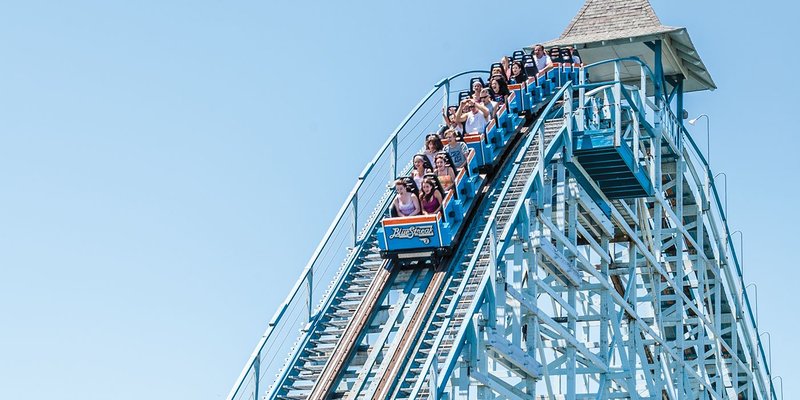
Day 1 souvenirs are impulse joy. Day 2 souvenirs become the memory.
Walk through the first gift shop on the morning of Day 1 and your kid will want everything. Walk through the same shop on Day 2 and they will want one thing, and they will still have it in five years.
The first day is for collecting experiences, not objects
On Day 1 nobody knows what the trip is about yet. The park is a blur of color and noise and possibility, and a souvenir bought in that state is a souvenir bought at random: the light-up thing near the register, the plush of a character they have not met, the hat that looks great in the shop and stays in the hotel room.
None of that is a knock on the shops or on the kid. It is just timing. Day 1 has not happened yet, so there is no memory to attach the object to. You are buying an impulse, and impulses are fun for about an hour.
By Day 2, the trip has told them what it is
Something clicks overnight. Sleep on a day full of rides and a favorite rises to the top on its own. It is the coaster they rode four times in a row. It is the dark ride they wanted to go back to the second it ended. It is the character who knelt down and made a fuss over them by name.
Now the gift shop is a completely different room. The kid is not scanning shelves for something shiny, they are looking for that. The plush of the ride they cannot stop talking about. The pin from the land they did not want to leave. The shirt with the coaster whose first drop they described to you three separate times at dinner.
Same shop, same shelves, same money. Entirely different object, because now it means something.
How to run it without being the bad guy
The goal is not to say no on Day 1. It is to say not yet, in a way that gives the kid something to look forward to instead of something to argue about.
- Name the plan out loud at breakfast on Day 1. "We're doing souvenirs tomorrow, once we know what our favorite thing is." A rule announced before the shop is a plan. The same rule announced inside the shop is a fight.
- Give the browsing a job. Let them scout all day. Take pictures of the candidates. The looking is genuinely half the fun, and it turns a walk through the shop from a battle into a mission.
- Set the number before you go in. One hero souvenir each, whatever it costs within your limit. Kids negotiate hard against a vague budget and not at all against a clear one.
- Buy it on the last afternoon, not on the way out. Ten minutes before closing, with a tired family and a long line at the register, is a bad time to make a decision anybody wants to keep.
- Let them choose, even if you would not. The whole point is that the object carries their memory. If the six-year-old wants the ugly plush of the ride mascot over the beautiful thing you spotted, the ugly plush wins. That is the one that ends up on the bed.
What you are actually buying
A year from now the light-up toy from Day 1 will be in a drawer with dead batteries. The Day 2 souvenir will be in their room, and every so often they will pick it up and tell you again about the first drop, the moment the lift hill crested, the part where you both screamed.
That is the thing worth paying for. It is also, conveniently, the cheaper way to do it, one object that matters instead of four that do not.
Give the park a day to work on them. It will tell them exactly what to bring home.
 Thoosie