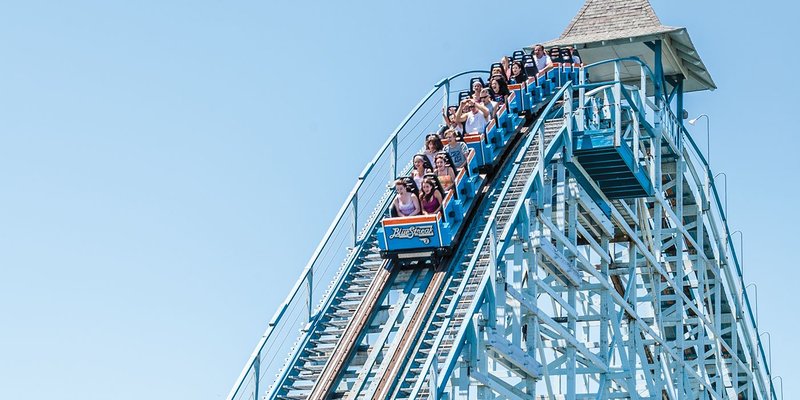
Each person picks one must-do. Everything else is up for grabs.
Why one pick per person keeps the peace
The fastest way to ruin a park day is to over-plan it. When you try to lock in a full itinerary for a group, you're really negotiating four or five people's competing wants against a clock that never cooperates. Somebody's ride is always "on the way" for one person and a 20-minute detour for another. The one-must-do rule cuts through all of it: each person names the single thing that would make them feel the day was a success. Protect those, and everything else can flex without anyone feeling cheated.
I've watched this defuse arguments before they start. When my nephew knows his coaster is guaranteed, he stops lobbying for it every ten minutes. When my mom knows she gets her one show, she happily follows the group the rest of the day. The picks aren't just logistics, when they're permission for everyone to relax.
How to collect the picks
Do this the night before or over breakfast, not in the parking lot. Go around and have each person say their one non-negotiable out loud. Say it out loud matters, which a want you've committed to in front of the group is harder to quietly resent later.
Keep the picks specific. "The big coaster" is a real pick. "Have fun" is not. If someone genuinely can't choose, let them ride along on other people's picks for a rotation and claim theirs later in the day when they've seen more.
For young kids, pick on their behalf but pick honestly, which the parade, the character meet, the one ride they talk about at home. A four-year-old's must-do is often cheaper on time than an adult's, and knocking it out early buys you goodwill for hours.
Build the loose plan around the anchors
Once you have the picks, plot them on the park map and look at the clock. The one with the longest expected line or the earliest closing time goes first, usually that's a headliner ride at rope drop or a show with a fixed schedule. Anchor the day to those hard constraints, then let the group drift between them.
The space between anchors is where the day actually happens: the spontaneous second ride, the snack stand someone spots, the shaded bench nobody planned on. Don't fill that space in advance. The picks give the day a skeleton; the improvising is the fun part, and you've already removed the pressure that usually kills it.
If the group is large, cluster picks that sit near each other and knock them out as a mini-loop rather than crisscrossing the park. Two people wanting things in the same land is a gift, treat it as one stop.
When picks collide, split and regroup
Sometimes two must-dos land at the same time on opposite ends of the park, or one person's pick is a two-hour commitment nobody else wants. This is where you split. Set a meeting point and a time, let each subgroup chase its anchor, and reconvene. A day does not have to be spent shoulder to shoulder to feel shared.
The rule scales down to solo trips too. Give yourself one must-do and refuse to treat the rest of the day as a checklist. You'll leave having done the thing that mattered, and everything else becomes a bonus instead of a shortfall.
 Thoosie