Gilroy Gardens Weather: How It Shapes Your Visit
At Gilroy Gardens, hot afternoons above 90°F often thin the crowd rather than build it — families with young kids pack up once it gets uncomfortable, leaving the park quieter after 2:00 p.m. Mild, dry, sunny days in the 70s consistently bring the highest attendance. The shortest lines come on weekday mornings in late May or September when Bay Area schools are in session, or on hot summer afternoons once the temperature climbs past 90.
If you are checking Gilroy Gardens weather before booking a day, you are already thinking like a regular. This is a mostly outdoor, garden-and-family park in Gilroy, California, so the forecast does more to shape your day than almost any other single factor. Sunshine, heat, and the occasional Bay Area marine layer all push crowds and wait times up or down in ways you can plan around.
The short version: mild, dry, sunny days pull the biggest crowds, and the hottest afternoons and the rare rainy stretches thin them out. Once you learn how the park breathes with the weather, you can time your visit to walk onto rides other people are waiting 30-plus minutes for.
What Gilroy Gardens Weather Usually Looks Like
Gilroy sits inland in the South Bay, so it runs warmer and drier than San Francisco but cooler than the Central Valley. Summer highs frequently land in the upper 80s to mid 90s, with dry heat and low humidity. Mornings can start in the 50s or low 60s thanks to marine air spilling down from the coast.
Spring and fall are the sweet spot. Daytime temps in the 70s, clear skies, and cool mornings make for comfortable walking and short lines outside of holiday weekends.
Rain is concentrated in the winter months, which mostly fall outside the park's operating season anyway. During spring and fall you get the occasional wet system, and those days are some of the quietest of the year.
How Weather Affects Crowds and Wait Times
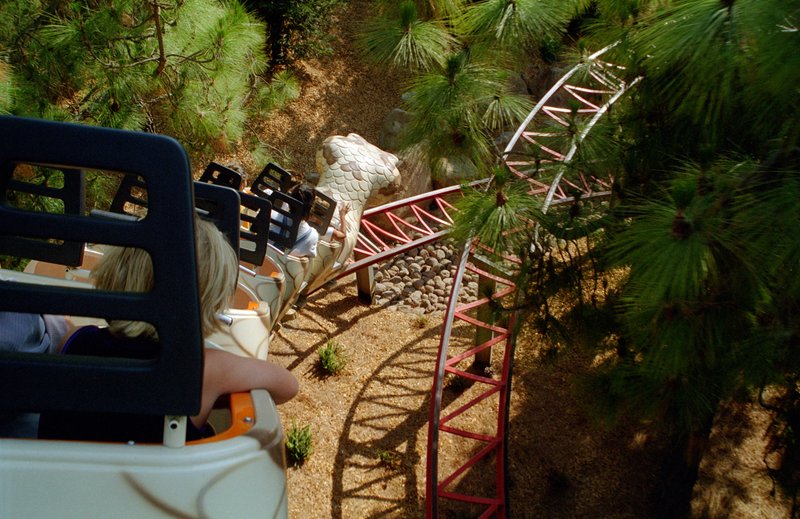
Here is the pattern I see over and over. A perfect-forecast Saturday in the 70s or low 80s brings families out in force, and the marquee attractions build the longest lines of the week. On days like that, headliners such as Timber Twister can hit 30 to 60 minutes through the midday peak, and the popular water and boat rides stack up right behind them.
Hot afternoons flip the script by early afternoon. Once temperatures climb into the 90s, families with young kids start heading for shade, the splash areas, or the exit, and dry rides open up noticeably. The gap between a mild day and a scorcher is often the difference between a 40-minute wait and a near walk-on for the same attraction.
Overcast or drizzly days are the real hidden gem. Light rain in shoulder season can cut attendance sharply, and if the park stays open you can lap the big rides with minimal waits. Just know that heavier weather can pause water rides and some outdoor attractions for safety.
The Best Weather Windows to Beat the Lines
My first choice is a warm-but-not-hot weekday, ideally in spring or fall, with a high in the 70s. You get comfortable conditions and a fraction of the weekend crowd. Wait times on these days often stay in the single digits to low teens all day.
If you are locked into a hot summer visit, arrive at opening and knock out the big-draw rides in the first two hours while it is still cool and the crowd is thin. By the time the heat peaks in the afternoon, you will have your priorities done and can drift to shaded gardens, the tree-lined paths, and water play.
A second strong window is the final operating hour. As families with tired kids leave and temperatures start dropping, lines shrink across the board. Circling back to a headliner before the park closes is one of the most reliable low-wait moves in the place.
Dressing for Gilroy Gardens Weather
Because mornings and afternoons can differ by 30 degrees or more, layers win. A light jacket or hoodie for the cool open, a t-shirt for midday, and the layer goes back on as the marine air returns near closing.
Sun protection matters more here than people expect. The park has genuinely beautiful mature trees and shaded garden sections, but the ride queues and open plazas get direct sun. Hats, sunscreen, and a refillable water bottle are non-negotiable on a summer day.
On hot days, plan your route around shade and water. The garden paths and grove areas are noticeably cooler than the open midway, and they double as great places to regroup while the sun is at its worst.
Rainy Day Strategy
A light-rain day is a gamble that often pays off. Crowds drop, and dry attractions and indoor spots stay comfortable. Bring a poncho rather than an umbrella so your hands stay free in queues, and check the forecast timing so you can aim for the drier hours.
The trade-off is ride availability. Water rides and some open-air attractions may close temporarily during active rain or wind, and they reopen once conditions clear. If the whole point of your day is the water rides, a wet forecast is a coin flip; if you are happy riding the coaster and dry attractions, it can be your best-value visit of the season.
Always confirm the day's hours and any weather closures on the official park channels before you drive out, since seasonal operations and forecasts both shift.
Putting It Together
Gilroy Gardens weather is not just a comfort question, it is a crowd-prediction tool. Mild, dry, sunny days mean the longest lines. Hot afternoons and light rain mean short ones.
Build your plan around it: go on a warm shoulder-season weekday if you can, hit the headliners at open or in the final hour, dress in layers, and treat a drizzly forecast as an opportunity rather than a washout. Read the sky, and you will spend your day riding instead of standing in line.
 Thoosie